Did You Know?
Recycling one aluminium can saves enough energy to power a 100-watt light bulb for 20 hours. Imagine the energy savings when we recycle millions of cans!
As global industries continue to grow, the demand for metals such as aluminium, steel, copper, and iron is at an all-time high. While mining and refining these metals fulfil this demand, they come with significant environmental costs, including resource depletion, habitat destruction, and pollution. Fortunately, metal recycling offers a sustainable solution that not only preserves natural resources but also reduces energy consumption and supports a circular economy.
How Does Metal Recycling Work?
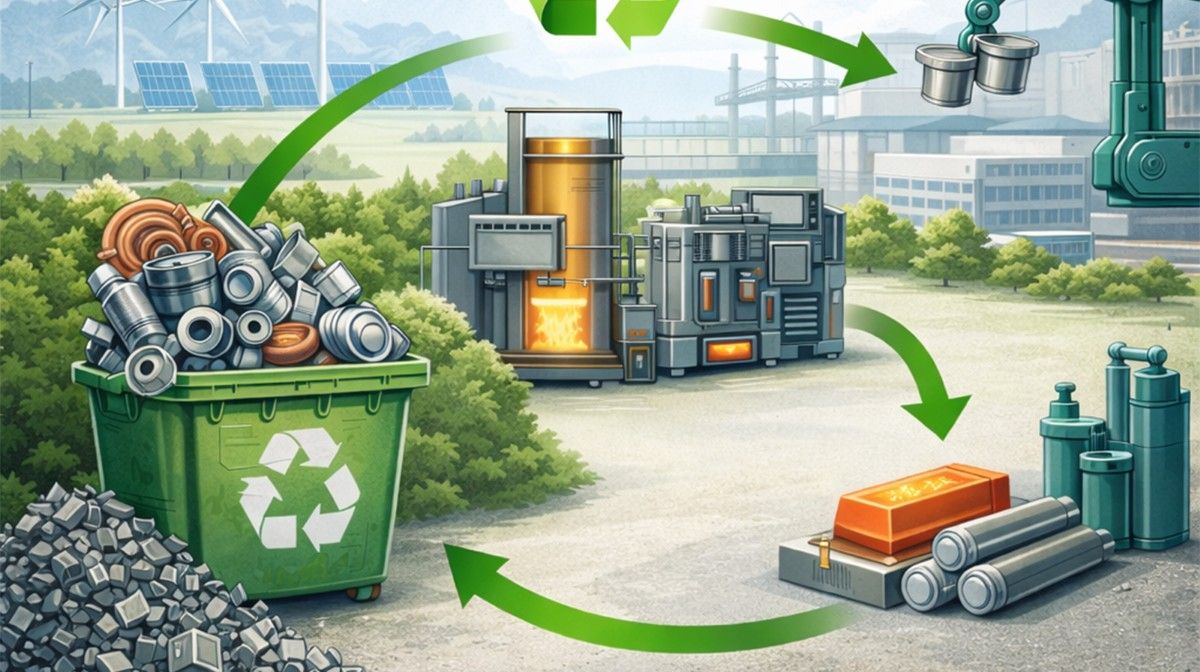
Metal recycling involves collecting, processing, and reusing metals like aluminium, steel, copper, and iron to manufacture new products. Unlike many materials that degrade with each recycling cycle, metals retain their original properties, making them infinitely recyclable. This unique characteristic positions metal recycling as a critical component in sustainable manufacturing.
In India, companies like Jain Resource Recycling Ltd have long been committed to promoting sustainable practices within the metal industry. By driving metal recycling initiatives, these companies help industries minimize the need to mine virgin resources, significantly reducing the environmental footprint associated with traditional metal production. Moreover, they play a crucial role in reducing the volume of waste sent to landfills, where metals would otherwise remain buried and unused.
Environmental Benefits of Metal Recycling
- Conservation of Natural Resources:
Recycling metals reduces the need for mining, thereby conserving essential natural resources like coal, iron ore, and bauxite. For instance, recycling one ton of steel saves approximately 2,500 pounds of iron ore, 1,400 pounds of coal, and 120 pounds of limestone. - Energy Efficiency:
The energy required to recycle metals is significantly lower than producing new metals from raw materials. Recycling aluminium, for example, saves up to 95% of the energy needed to make new aluminium. This reduction in energy consumption translates to fewer greenhouse gas emissions, contributing to the global effort to combat climate change. - Reduction in Pollution:
Mining and refining metals release pollutants into the air and water, affecting both the environment and human health. Recycling minimizes these emissions, leading to cleaner air and water and reducing the overall environmental impact. - Decreased Landfill Waste:
Metals are a major component of electronic waste (e-waste), one of the fastest-growing waste streams globally. Responsible recycling ensures that valuable metals are recovered and reused rather than ending up in landfills, where they can contaminate soil and water.
The Future of Metal Recycling As industries and consumers become more environmentally conscious, recycling is emerging as a critical solution to bridge the gap between finite resources and growing consumption. Advances in
recycling technology are making it easier to recover valuable metals from complex waste streams, such as electronic devices and industrial by-products.
As the world continues to grapple with climate change and resource scarcity, the future of metal recycling will be defined by innovation, collaboration, and a collective commitment to sustainability. This evolving landscape presents both challenges and opportunities, making it an exciting time for industries to rethink their approach to resource management and embrace the potential of recycled metals as a cornerstone of a sustainable future.