Aluminium is one of the most widely used metals in the world. From automobiles and packaging to construction and consumer goods, its lightweight properties and durability make it indispensable across industries.
However, the true advantage of aluminium lies in its ability to be recycled indefinitely without compromising quality. This makes aluminium recycling one of the most effective ways to support sustainable industrial growth.
The Growing Importance of Aluminium Recycling
Producing aluminium from raw ore is an energy-intensive process. Recycling aluminium, on the other hand, requires significantly less energy while delivering the same performance characteristics.
Key advantages include:
- Reduced energy consumption
- Lower greenhouse gas emissions
- Conservation of natural resources
- Reduced industrial waste
- Cost-efficient material recovery
As industries increasingly adopt ESG and sustainability goals, recycled aluminium is becoming an important raw material for future manufacturing.
How an Aluminium Recycling Plant Works
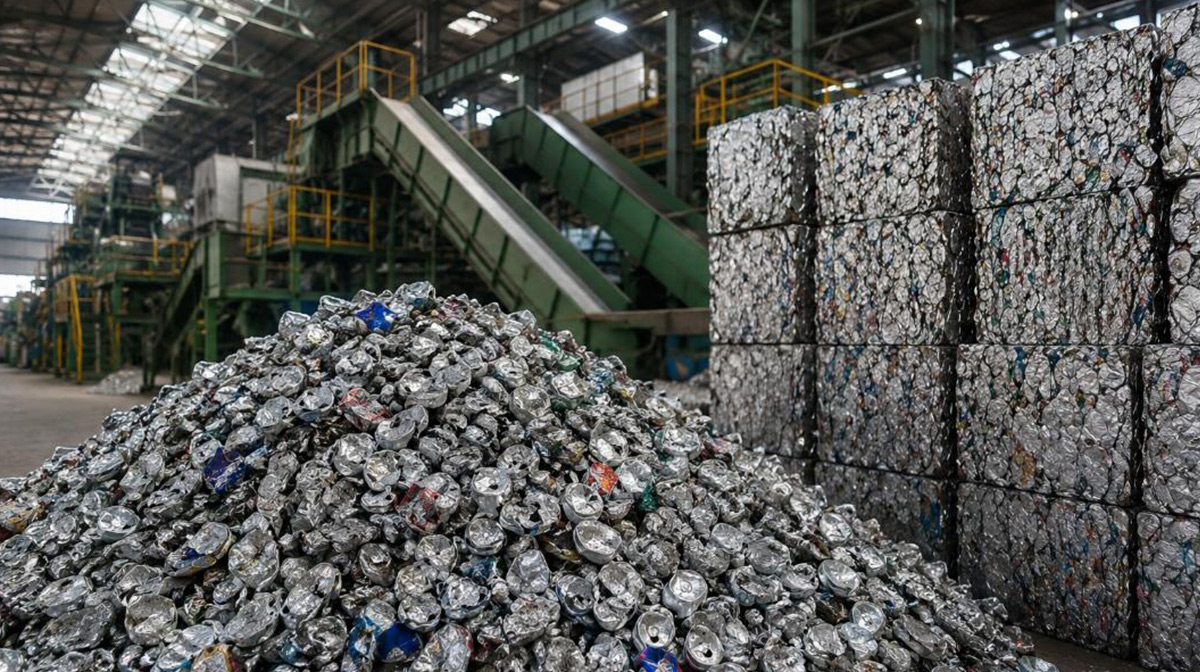
Modern aluminium recycling plants use advanced technology to recover valuable metal from scrap generated across multiple industries.
The process typically includes:
- Collection of aluminium scrap
- Sorting and segregation
- Shredding and preparation
- Melting and refining
- Quality testing and casting
The result is high-quality recycled aluminium that can be reused across a wide range of applications.
Supporting India’s Sustainability Goals
India’s industrial growth will require large volumes of metals in the coming decades. Recycling helps bridge this demand while minimizing environmental impact.
By investing in advanced recycling infrastructure, metal recycling companies in India are helping create a circular economy where materials remain in productive use for longer periods.
Jain Resource Recycling’s Commitment to Responsible Recycling
As one of the leading metal recycling companies in India, Jain Resource Recycling is focused on building sustainable solutions across aluminium, copper, lead, and other metals. Through modern processing facilities, rigorous quality standards, and environmentally responsible operations, the organisation contributes to resource conservation while supporting industrial growth.
The future of manufacturing will depend not only on producing more materials but on using resources more efficiently. Aluminium recycling will remain a key pillar of that transition.