Key Takeaways:
- India’s electronics manufacturing ecosystem is experiencing explosive growth, driving unprecedented demand for the reliable electrical connections that power smart devices, EVs, and telecommunications.
- Tin acts as the critical “glue” of the digital age: soldering applications alone account for over 50% of global tin demand.
- Advanced technologies like electric vehicles (EVs) and high-density AI servers require significantly more soldered connections, making the consistency of high-purity refined tin more critical than ever.
- Jain Resource Recycling recovers and refines tin from industrial and electronic scrap, utilizing advanced vacuum distillation to produce 99.5% to 99.8% pure crude tin ingots and lead-tin alloys, powering a circular electronics supply chain.
The Expanding Electronics Ecosystem
India’s electronics ecosystem is entering a new phase of accelerated growth. From smartphones and communication equipment to electric vehicles and industrial systems, electronic components are becoming an integral part of modern manufacturing.
Behind these technologies lies a network of metals that enable electrical systems to function efficiently. Tin is one of the most vital.
Widely used in soldering, electronics, and industrial applications, tin metal plays an indispensable role in creating reliable connections between electronic components. As electronics become more advanced and universally utilized, the importance of consistent, high-quality refined tin is growing exponentially.
Why Tin Matters More Than Ever
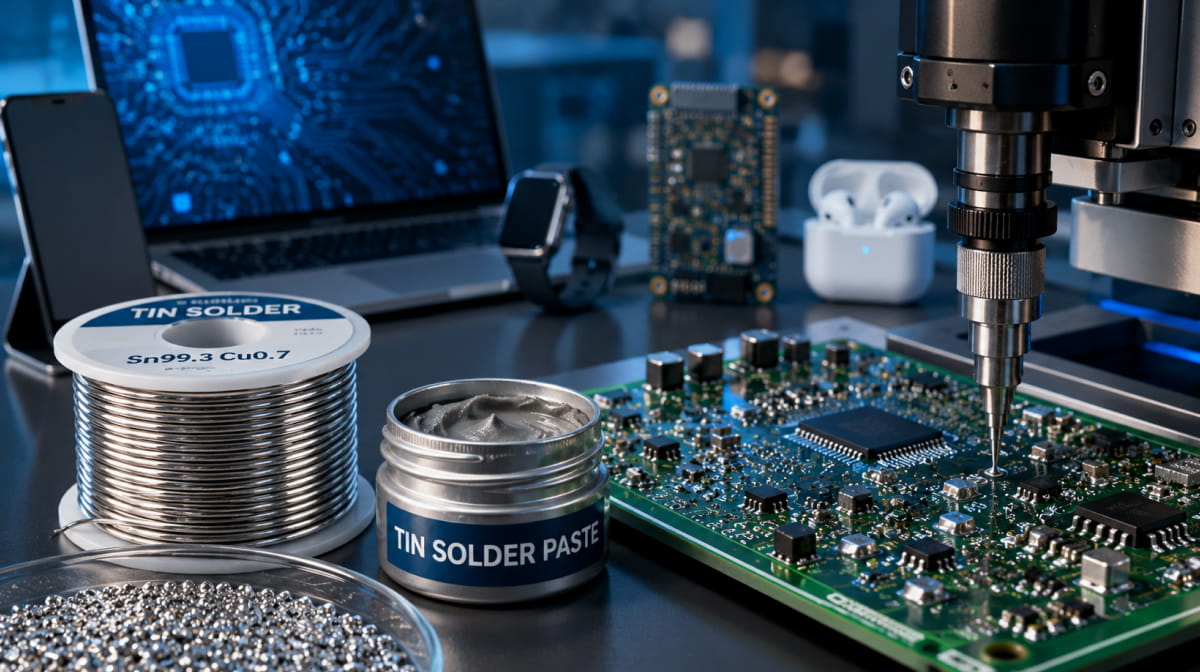
Tin is the literal bond holding the modern tech industry together, with solder accounting for over half of all global tin consumption. Solder connects electronic components to printed circuit board (PCB) assemblies, making it the most critical element of electronic manufacturing.
Its applications extend across:
- Consumer electronics, such as smartphones, PCs, and connected IoT devices
- Communication and 5G networking equipment
- Printed circuit boards (PCBs) and semiconductor packaging
- Automotive electronics and battery management systems
- Industrial control systems and automation equipment
As electronic products become more complex, the number of components and microscopic electrical connections within them continues to increase. Tin may form only a small percentage of a finished product by weight, but it supports the vital connections that allow complex electronic systems to operate without failure.
The Shift Towards High-Quality Refined Tin
Modern electronics manufacturing requires materials that offer absolute consistency and reliable performance. Refined tin is rigorously processed to remove impurities and achieve the exacting purity required for high-tech industrial applications. It is the core ingredient in solders, plating, alloys, and other specialized manufacturing processes.
Key requirements for industrial-grade tin include:
- Consistent purity and chemical composition
- Reliable material performance (specifically wettability and low melting points)
- Controlled processing environments
- Suitability for specialized, lead-free (RoHS compliant) applications
For manufacturers, these characteristics are non-negotiable because the quality of raw soldering materials directly influences the durability, safety, and consistency of the final electronic product.
New Technologies Are Expanding Tin Applications
The growing use of advanced electronics across heavy industries is widening the relevance of tin.
Electric vehicles (EVs), for example, utilize extensive electronic architecture across battery management, power control, charging, safety, and connectivity systems. These systems depend heavily on electronic assemblies and robust soldered connections to withstand vehicular vibration and heat. Furthermore, the surge in AI technology requires high-end servers, which consume significantly more tin per unit than traditional computing hardware due to advanced packaging and dense circuitry.
The growing applications of tin can therefore be seen across:
- Electric mobility: Supporting power electronics and assemblies used across EV powertrains.
- Advanced electronics & AI: Enabling highly complex soldered connections across high-density computing devices.
- Communication systems: Supporting the electronic equipment required for modern communication infrastructure and data centres.
- Industrial automation: Contributing to control systems, robotics, and electronic manufacturing equipment.
The Role of Tin Recycling in This Transformation
The growing reliance on tin highlights a pressing need for efficient material recovery and a circular economy. Global tin reserves are highly concentrated, making supply chains vulnerable.
Industrial and electronic scrap (e-waste) contains highly recoverable tin that can be processed, refined, and returned to industrial applications. Organised tin recycling creates a massive opportunity to keep valuable materials within productive use.
Recycled tin supports:
- More efficient utilization of secondary resources and reduced reliance on mining
- The recovery of valuable metals from industrial and electronic scrap
- Circular material flows that lower the carbon footprint of tech manufacturing
- A more sustainable, resilient supply of domestic industrial raw materials
Recovering tin is only the first step. The material must also be expertly processed to achieve the strict purity and consistency required for sensitive industrial use.
Inside the Tin Recovery Process at Jain Resource Recycling
At Jain Resource Recycling, our tin recycling operations are purpose-built to recover and refine tin from complex industrial and electronic scrap.
Our process follows a focused recovery and refining approach:
- Smelting and Refining: A state-of-the-art vacuum distillation furnace is used to cleanly separate tin from tin-lead alloys and refine it to exceptionally high purity levels.
- Casting and Supply: The refined tin is cast into ingots and supplied directly to manufacturers across multiple high-tech sectors.
Our product portfolio includes crude tin ingots with approximately 99.5% to 99.8% purity, along with specialized lead-tin alloys, solders, and ingots. These products reliably support applications across electronics, soldering, plating, automotive, packaging, and specialized industrial manufacturing.
What This Means for India’s Electronics Ecosystem
As India positions itself as a global hub for electronics and semiconductor manufacturing, the materials supporting these sectors will become increasingly important.
- Supporting electronics manufacturing: Reliable tin materials fulfil exact soldering and electronic assembly requirements.
- Enabling electric mobility: Increasing electronic content in EVs is widening the demand for durable electronic connections.
- Strengthening material recovery: Organised recycling helps recover valuable tin, securing the domestic supply chain against global shocks.
- Advancing circular manufacturing: Refined tin recovered from scrap is seamlessly returned to productive industrial use.
By connecting tin recovery, refining, and industrial applications, Jain Resource Recycling is supporting a more efficient and circular material supply chain. Tin may be a hidden component in electronic products, but its role in connecting modern technologies makes it an irreplaceable metal for the future of Indian manufacturing.
Frequently Asked Questions (FAQs)
Why is tin so important for electronics manufacturing?
Tin is the primary metal used in solder, which acts as the conductive “glue” that connects electronic components to printed circuit boards (PCBs). Without highly refined tin, modern devices like smartphones, computers, and EV control systems could not function. Over 50% of global tin demand comes from soldering applications.
How does the rise of Electric Vehicles (EVs) impact tin demand?
Electric vehicles contain significantly more electronic architecture than traditional internal combustion engine vehicles—including battery management systems, advanced sensors, and infotainment modules. This vast network of electronics requires extensive soldered connections, driving a major increase in automotive tin consumption.
Can tin be recycled from electronic scrap?
Yes. Tin is highly recyclable without any loss of its chemical properties. Advanced recycling companies use processes like vacuum distillation smelting to recover tin from industrial and electronic scrap, refining it back into high-purity ingots (99.5%+ purity) that are perfectly suited for reuse in new electronics manufacturing.