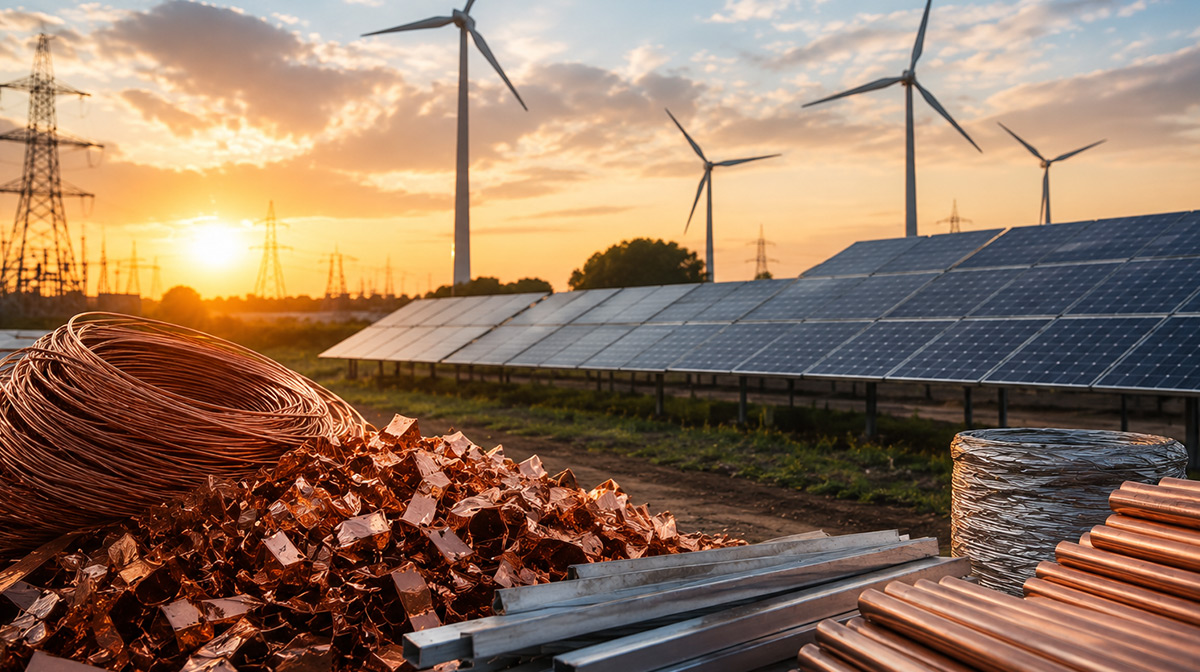
India’s renewable energy sector is expanding at an unprecedented pace. From large-scale solar parks and wind farms to battery storage systems and electric vehicle infrastructure, the country’s clean energy transition is creating significant demand for critical raw materials.
Among the most important of these materials are metals such as copper, aluminium, lead, and zinc. While these metals are essential for renewable energy technologies, their sustainable sourcing is becoming equally important. This is where recycled metals are playing a transformative role.
As industries strive to reduce their environmental footprint and strengthen resource efficiency, recycled metals are emerging as a key enabler of sustainable growth within India’s renewable energy ecosystem.
Renewable Energy’s Rising Demand for Metals
Renewable energy technologies are highly dependent on metals for power generation, transmission, storage, and distribution.
For example:
- Solar power systems require copper and aluminium for wiring, conductors, and structural components.
- Wind turbines rely on copper, steel, and other specialty metals for generators and electrical systems.
- Battery energy storage systems use lead, lithium, copper, and aluminium in various applications.
- Electric vehicle charging infrastructure depends heavily on copper conductors and electrical components.
As India works towards its long-term clean energy goals, the demand for these materials is expected to grow significantly over the coming decades.
Why Recycled Metals Matter
Traditionally, industries have relied heavily on primary metal production, which involves mining, extraction, and processing of raw materials. While necessary, these processes can be resource-intensive and energy-consuming.
Recycled metals offer a more sustainable alternative.
By recovering and processing metal scrap, manufacturers can produce high-quality materials while reducing the environmental impact associated with primary extraction.
Key benefits of recycled metals include:
- Reduced energy consumption
- Lower carbon emissions
- Conservation of natural resources
- Reduced landfill waste
- Enhanced resource efficiency
- Support for circular economy initiatives
Many studies have shown that recycling metals requires significantly less energy compared to producing metals from virgin raw materials, making recycling an important contributor to global sustainability efforts.
Building a Circular Economy for Renewable Energy
The renewable energy sector and the recycling industry are becoming increasingly interconnected.
As solar panels, batteries, electrical equipment, and industrial infrastructure reach the end of their lifecycle, metal recovery and recycling will become essential for ensuring a sustainable supply chain.
A circular economy approach enables valuable metals to remain in productive use for longer periods through collection, processing, and reintroduction into manufacturing cycles.
This not only reduces waste but also helps industries secure a stable supply of critical materials needed for future growth.
The Role of Metal Recycling Companies in India
India’s growing focus on sustainability has accelerated investments in advanced recycling technologies and infrastructure.
Today, leading metal recycling companies in India are helping industries recover valuable materials from industrial scrap, post-consumer waste, and end-of-life products.
Through modern processing facilities, quality control systems, and environmentally responsible operations, these companies are supporting the development of a more resilient and sustainable manufacturing ecosystem.
As renewable energy deployment continues to expand, the contribution of the recycling sector will become increasingly important in meeting material demand while reducing environmental impact.
Jain Resource Recycling‘s Commitment to Sustainable Resource Management
At Jain Resource Recycling, sustainability is deeply integrated into our operations. Through advanced recycling capabilities across copper, aluminium, lead, and other metals, we contribute to the efficient recovery and reuse of valuable resources.
Our focus on responsible manufacturing, quality assurance, and resource efficiency enables us to support industries that are building the infrastructure for India’s clean energy future.
As the country advances towards a greener economy, recycled metals will play an increasingly vital role in strengthening supply chains, supporting renewable energy growth, and driving sustainable industrial development.